

To follow up on an earlier post about purported "curly black avocado" from Indonesia, i got a block of the black avocado as well as 2 other blocks that are supposed to be avocado as well. These 3 came the one of James' (@Jperry93) spindle maker buddies in Florida. They still came from Indonesia, just not from the same Instagram seller that i was looking at originally. I really don't think any of these blocks are avocado, but I'd still like to know what they are.
In addition to direct measurements and photos, I checked UV reactivity of the wood, 99% isopropyl alcohol extract, and distilled water extract. Note the numbering system used throughout.
The common names given by the seller to each numbered block are:
1. Curly black avocado
2. Curly avocado
3. Avocado (clearly has curl though)
Notes: magnified photos are ordered sequentially
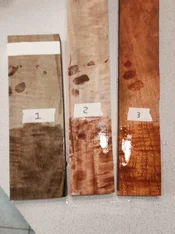
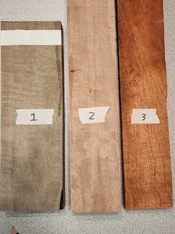
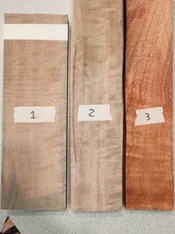
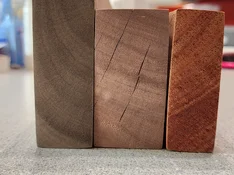
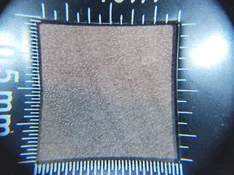
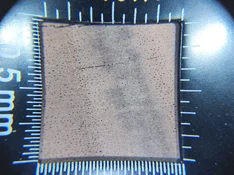
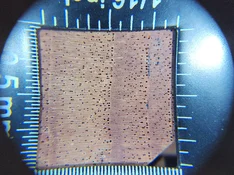
I suspect #1 & #2 are actually an acacia or possibly a eucalyptus, but I'm unsure which species. That obviously doesn't really narrow anything down either.
I think #1 is dyed or ebonized black (note that the black is only on the perimeter of the end grain section and around an existing end check). It literally looks like a medium well steak lol. The pink party very much reminds me of the peachy pink of eucalyptus grandis.
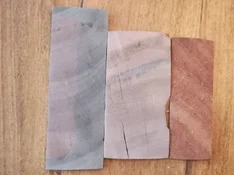
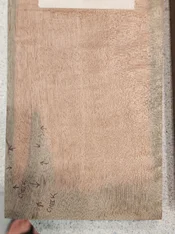
I'm not sure on #3, maybe an acacia as well. It also looks and feels a lot like meranti, but I've never heard of curly meranti and i doubt this is a one off block.
My measurements and observations for each are as follows:
1. 43.45 lb/ft³ @ 8% MC, no scent, no UV reactivity in wood or extracts, negative on froth test. Exposed pink grain looks very similar to #2. Black color does not leach with alcohol.
2. 43.36 lb/ft³ @ 12% MC, no scent, no UV reactivity in wood or extracts, negative on froth test.
3. 31.33 lb/ft³ @ 8% MC, possible faint cinnamon scent (don't put too much stock in this), no UV reactivity in wood or extracts, negative on froth test.
All were moderately easy to sand, with #3 being slightly easier than the other 2. They feel dry and devoid of oils or resins, though #3 leaches some orange color when alcohol sprayed. Also, #3 was the only block to retain some color in the water and alcohol extracts after resting for 15min or so.
Any ideas?
In addition to direct measurements and photos, I checked UV reactivity of the wood, 99% isopropyl alcohol extract, and distilled water extract. Note the numbering system used throughout.
The common names given by the seller to each numbered block are:
1. Curly black avocado
2. Curly avocado
3. Avocado (clearly has curl though)
Notes: magnified photos are ordered sequentially
I suspect #1 & #2 are actually an acacia or possibly a eucalyptus, but I'm unsure which species. That obviously doesn't really narrow anything down either.
I think #1 is dyed or ebonized black (note that the black is only on the perimeter of the end grain section and around an existing end check). It literally looks like a medium well steak lol. The pink party very much reminds me of the peachy pink of eucalyptus grandis.
I'm not sure on #3, maybe an acacia as well. It also looks and feels a lot like meranti, but I've never heard of curly meranti and i doubt this is a one off block.
My measurements and observations for each are as follows:
1. 43.45 lb/ft³ @ 8% MC, no scent, no UV reactivity in wood or extracts, negative on froth test. Exposed pink grain looks very similar to #2. Black color does not leach with alcohol.
2. 43.36 lb/ft³ @ 12% MC, no scent, no UV reactivity in wood or extracts, negative on froth test.
3. 31.33 lb/ft³ @ 8% MC, possible faint cinnamon scent (don't put too much stock in this), no UV reactivity in wood or extracts, negative on froth test.
All were moderately easy to sand, with #3 being slightly easier than the other 2. They feel dry and devoid of oils or resins, though #3 leaches some orange color when alcohol sprayed. Also, #3 was the only block to retain some color in the water and alcohol extracts after resting for 15min or so.
Any ideas?


