Ficus ? But which ones ??

Q

Quercus Ilex

Here are two wood samples I made from reclaimed wood.
I believe these are two Ficus species, but I am not abe to find which ones.

So here are my questions:
  • are both samples from Ficus genus?
  • if yes, which species?
  • if no, then what is it? !!
Both woods come from gravestone pallets taken in a cemetery.
I think, but not 100% sure, that the pallets were comming from India.
Both samples are 15cm x 8cm x 1.4cm (approximately 6in x 3in x 0.5in). Glue joint in the middle.
  1. the pinkish one is the lighter, density of 0.30
  2. the yellow one is heavier, density of 0.58
 
Last edited by a moderator:
  • Thread Starter Thread Starter
  • #7
Yes, I have a sample I identified as Hevea and those two are quite different when you have it in front of you.
 
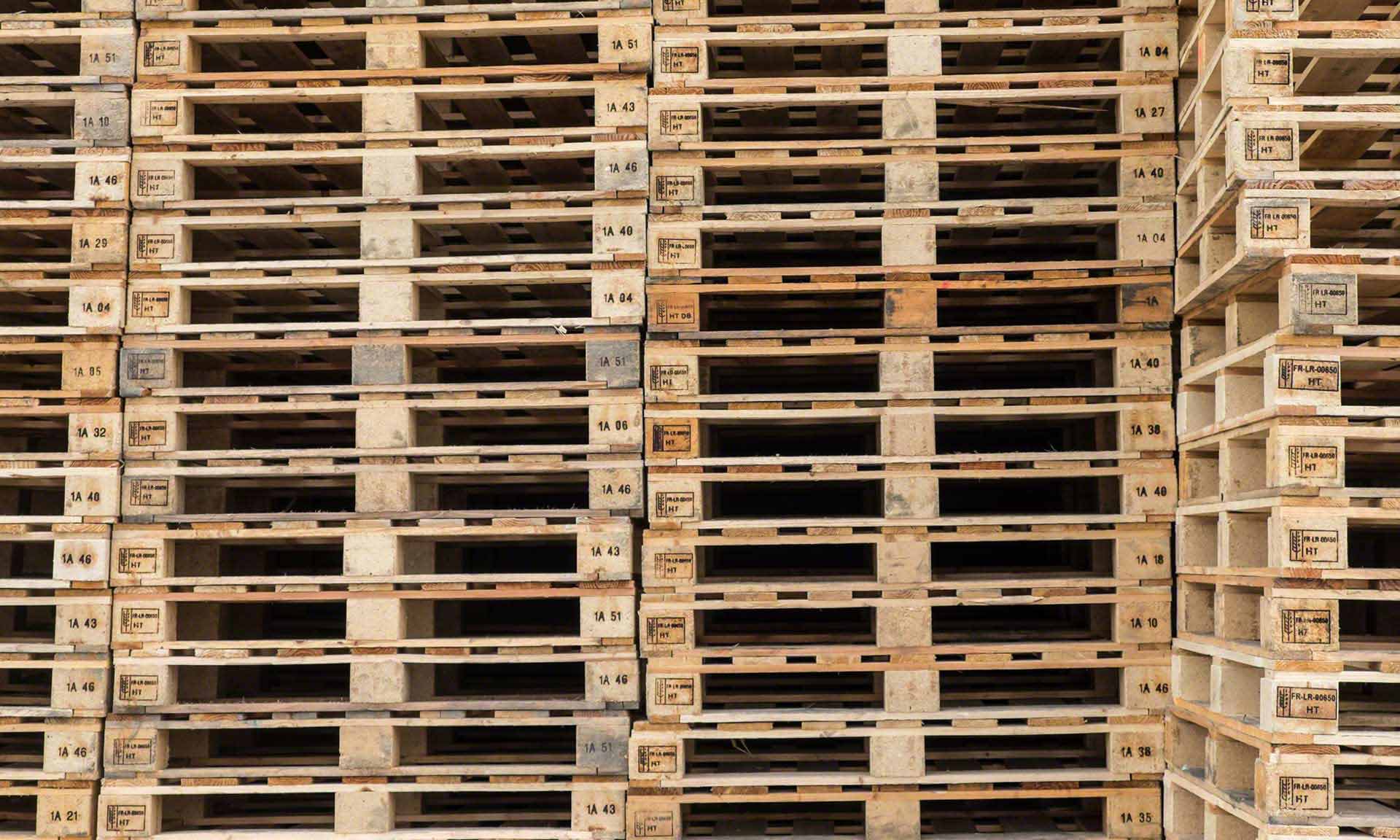
They both look "fig like". You should have looked over the pallet better. There was likely a stamp on it, telling country of origin, pallet plant, and maybe time stamped. The pallet ID stamp is great to have. You can often look up the pallet plant maker and find a list of woods they often use and reduce some of your search. Sometimes the wood is plantation grown and ID'ed to species.

Strangler fig is a common pallet wood.
 
  • Thread Starter Thread Starter
  • #10
Thanks @Mr. Peet
Yes, there was stamps. And these were hard to read, not on all pieces (and some pallets were taken appart) but I saw a few "IN" (for India) here and there.
I think there was also dates stamped on wood, but were hard to read.

But even if I get the manufacturer ID on the stamp, how do I convert this number into an adresse/name ?


The yellow fig sample had a lot of bark on it.
 
Thanks @Mr. Peet
Yes, there was stamps. And these were hard to read, not on all pieces (and some pallets were taken appart) but I saw a few "IN" (for India) here and there.
I think there was also dates stamped on wood, but were hard to read.

But even if I get the manufacturer ID on the stamp, how do I convert this number into an adresse/name ?


The yellow fig sample had a lot of bark on it.
Many trees have sapwood that has a strong yellow hugh or color that ages to a tan or brown as it becomes heartwood.

Below is just a general website with pallet information. Not endorsing, just saw it.

You can often simply web search the numbers on the pallet to track maker. Not always. If not, try a local agency. Here in the USA, I could ask the PA department of agriculture or the USDA. You said something about grave stone pallets. Contact the undertaker or grounds head, that ordered the stone. They should be able to tell you the stone provider. They in turn tell thier supplier who can tell their supplier. Basically, the game of telephone. Find out where the stones came from and that company will likely provide the pallet company name that they use. I often tried both methods and if finding the same results felt better about such.

 
  • Thread Starter Thread Starter
  • #12
@Mr. Peet good advice.
I just fear that there could be too many intermediaries. I suspect the french gravestone seller to get his stones from all over the world (like this one for example), and the indian quarry may be hard to reach. Anyway, I could try.
I "just" have to find the stone distributor, but the paper label is often not present on the disposed pallets.
And the last difficulty is that the pallets I get from India are an assembly of various woods (among which Albizia lebbeck), and one pallet can be made of up to 4 different woods.

In contrast, the pallets from China I found are all of the same wood (Eucalyptus), which I believe is a plantation tree in that case.

The investigation is still ongoing !!
 
Back
Top