What's Growing in the Garden

Used up the last of the fresh pears tonight making this.

View attachment 230650

Caramel pear pudding.

Oh man - that looks good!!! Never had it before
 
Well this caps out a not particularly good year with growing things at the hacienda. These are the ones not already eaten off the plant.

1662046807875.webp
 
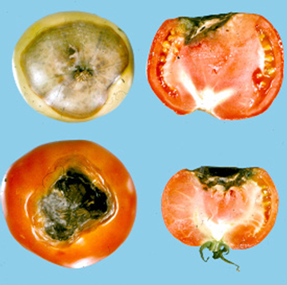
Could be some Star Trek creature came along and ate up all my calcium. 1662048851349.webp Nope - she ate salt. Most likely this year's watering cycles. Two years ago, they upped the amount charged for water and instituted a tiered rate system. The more you use the higher the rate. Climate Changers way of getting us to use less water to save the planet. So do not water as often or I'd be above $200 real quick without even knowing it. The last two years have not been a problem - we had a good amount and frequency of rain over the hot part of the year - this year is different - not much rain - not a drought but not much rain. So decided not to water as frequent, but longer - guess the dry - wet cycle resulted in this.
 
Well this caps out a not particularly good year with growing things at the hacienda. These are the ones not already eaten off the plant.

View attachment 230748
I've been seeing that come up a lot in the research I've been doing trying to resolve my issues. It's called blossom end rot. It's caused by a nutrient deficiency. Primarily calcium I think but feel like I'm remembering something else potentially at play too, potassium maybe.
 
Small harvest today, enough beans for a batch of Dilly Beans, some peppers to cut up and freeze, and some more tomatoes to dry.

PXL_20220902_191846583.webp
 
I've been seeing that come up a lot in the research I've been doing trying to resolve my issues. It's called blossom end rot. It's caused by a nutrient deficiency. Primarily calcium I think but feel like I'm remembering something else potentially at play too, potassium maybe.
You are correct, it is caused by calcium deficiency. However, it is caused by calcium deficiency in the fruit. Often times you can have sufficient calcium in the soil, but still have blossom end rot.

Several things can contribute to the condition developing including high levels of potassium, magnesium and ammonium. I won't get into the soil chemistry, but here is a fact sheet from Wisconsin Extension that does a good job of explaing the condition and how to rectify the problem.

 
I've been seeing that come up a lot in the research I've been doing trying to resolve my issues. It's called blossom end rot. It's caused by a nutrient deficiency. Primarily calcium I think but feel like I'm remembering something else potentially at play too, potassium maybe.
Historically, it was usually acknowledged as being a watering problem - dryness followed up with a lot of water. Nowadays I hear more about calcium deficiency. Have not had that problem in my yard in 42 years. So unless I've had something come and suck out my soil's calcium this year ----- well.
 
If you have adequate Ca in the soil, it is most likely a watering problem, because of the way calcium moves through a plant. Calcium moves through transpiration, and because leaves transpire more than fruits, more calcium is deposited in the leaves. Calcium is not transferred from leaves to fruit. Anything that limits transpiration will result in lower calcium deposited in the plant. Long periods of high humidity will lower transpiration as will very low humidity with hot dry windy conditions.

Even with adequate levels of Ca and good soil moisture, you can have Ca deficiency. High levels of NH4+, K+, or Mg++ may all interfere with Ca++ uptake by the plants. Low pH can also affect Ca uptake.
P
Bottom line, if you had good looking tomatoes last year, didn't do something really wacky with fertilizer this year, it's a watering problem.
 
I know of one product by Bonide called Rotstop that I have used before for this problem with good results.
Currently watching two canners full of tomatoes!
That will make 21 qts for today.
Just pulled all my shell bean plants. Most pods all dried out and ready to be shelled.
Anyone have any tips for canning potatoes?
Go ahead and chunk them up. If you are thinking stew potatoes, you might just make up the stew and can it then you don't need to add as much acid to make the usda happy...
 
If you are doing diced potatoes, dice them then put in a solution of 1tsp salt per quart of water to keep them from browning.

When they are all cut up, drain them then boil in fresh water for 2 minutes, drain and fill jars with 1/2" of headroom. Cover with boiling water to 1/2". Add 1/2 tsp salt to pints and 1tsp to quarts. Process at 10psi for 35 minutes (pints) or 40 minutes for quarts.

I caned some a few years ago. Round white potatoes are best for canning (low starch potatoes). Nothing difficult with potatoes other than the long processing times.
 
Sounds easy enough. How did you use them? Do they hold up in things like soups after they’ve been canned? I’m imagining they are great for mashed?
We had to harvest early due to combined drought and some blight on plants. Not ideal storage conditions in my basement this early.
 
A lot of times I'd just heat them up right out of the jars and add a little butter. They will hold up fairly well in soup, but you want to add them at the end of the cooking so they won't break down as much. Never tried them as mashed, but should work well for that.

If you've got a bunch of small potatoes (golf ball size) you could can them whole. For those boil them for 10 minutes before canning, and use the same processing times/psi for diced.

It's too late if you've already dig them, but I just leave mine in the ground until it's get cold enough to store them. You can loose some to insects and rodents, but most survive fine. I vinekilled mine a little over a week ago but probably won't dig them until mid,/late October.
 
Last edited:
If you are doing diced potatoes, dice them then put in a solution of 1tsp salt per quart of water to keep them from browning.

When they are all cut up, drain them then boil in fresh water for 2 minutes, drain and fill jars with 1/2" of headroom. Cover with boiling water to 1/2". Add 1/2 tsp salt to pints and 1tsp to quarts. Process at 10psi for 35 minutes (pints) or 40 minutes for quarts.

I caned some a few years ago. Round white potatoes are best for canning (low starch potatoes). Nothing difficult with potatoes other than the long processing times.
Ditto. Just canned some first of the week. whathesaid is how I've always done it.
Chunk em up and can. Depends on the type of tater you use whether they will hold up in soups/stews. If its a softer potato, put in towards the end of cooking time. They do work for mashed
 
A report on the pepper plants: Before just pulling them, I tried the foliar spray that Kyle had mentioned. Dissolved a couple antacid tablets in a pint jar of water and then sprayed it on about a week ago. Plants are looking way better - not much brown spots or yellow leaves and new growth. Unfortunately it's probably too late in the season for a few of them to produce any peppers, but the spray definitely helped the pepper plants. Going to have to keep mental note of that.

Today we gave the tomato plants a cut back - cut off the tops (especially since they were getting too tall and were starting to fall over) and trimmed the sides a little. Can actually see some of the tomatoes growing now and, for what I've read, the plant should now focus more on maturing the fruit that is there instead of new growth.

Harvested more peppers today - getting a good harvest of them every few days.

Something has been eating the brussel sprout leaves. NOT happy. Still some surviving. Need to figure out what it could be.

 
Last edited:
Probably imported cabbage worm or cabbage looper. Doesn't really matter which caterpillar it is, any of the common garden insecticides will control them.
 
A report on the pepper plants: Before just pulling them, I tried the foliar spray that Kyle had mentioned. Dissolved a couple antacid tablets in a pint jar of water and then sprayed it on about a week ago. Plants are looking way better - not much brown spots or yellow leaves and new growth. Unfortunately it's probably too late in the season for a few of them to produce any peppers, but the spray definitely helped the pepper plants. Going to have to keep mental note of that.

Today we gave the tomato plants a cut back - cut off the tops (especially since they were getting too tall and were starting to fall over) and trimmed the sides a little. Can actually see some of the tomatoes growing now and, for what I've read, the plant should now focus more on maturing the fruit that is there instead of new growth.

Harvested more peppers today - getting a good harvest of them every few days.

Something has been eating the brussel sprout leaves. NOT happy. Still some surviving. Need to figure out what it could be.
Good to hear, though the credit for the antacid part of that belongs to someone else, Herb I think. You can do a root drench with that too. Should continue the foliar feeding once a week but I would consider making the solution with eggshells as the peppers also have a higher need for phosphorus and I doubt that's going to be in the antacid tabs.
Thing that told me it was a calcium problem from your pictures was the Dandelions growing under the pepper plants. Old medical herbalist taught me that Dandelions will only grow where the soil is deficient, having very deep roots, bring up minerals from below and deposit in the top soil when the leaves die. The Dandelions will go away on there own when the soil is restored.
 
Back
Top