
Does anyone know what I have here?
I've found a few chucks of it locally (have 3 or 4 once-turned bowls drying out of it and a few more to turn). It turns, and finishes really nice.
Northern Colorado front range do you can rule out any of the woods that from from really warm climates. First two pictures are of the wood in question - lighter, almost golden color, massive growth rings. Close up looks like............. elm???
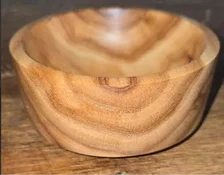
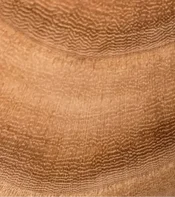
But next 2 pictures are siberian elm, I am almost 93% sure (ha!). If these are both elm, they look and and turn nothing alike. The siberian elm below is a PITA to work with. Sanding, especially. The earlywood tends to sand down faster than the rest, leaving "relief". It takes really sharp tools and a very delicate touch with the paper. If they are both elm, they HAVE to be a different variety, I'd think. Maybe the top one grew in/near a ditch? Grasping at straws here! Both have sap wood chatoyance that lights up like a hologram in the light.
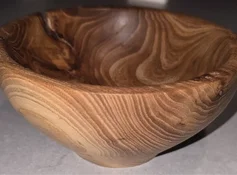
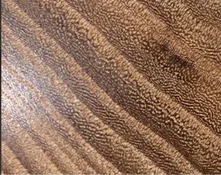
Thanks in advance!
--Scott
I've found a few chucks of it locally (have 3 or 4 once-turned bowls drying out of it and a few more to turn). It turns, and finishes really nice.
Northern Colorado front range do you can rule out any of the woods that from from really warm climates. First two pictures are of the wood in question - lighter, almost golden color, massive growth rings. Close up looks like............. elm???
But next 2 pictures are siberian elm, I am almost 93% sure (ha!). If these are both elm, they look and and turn nothing alike. The siberian elm below is a PITA to work with. Sanding, especially. The earlywood tends to sand down faster than the rest, leaving "relief". It takes really sharp tools and a very delicate touch with the paper. If they are both elm, they HAVE to be a different variety, I'd think. Maybe the top one grew in/near a ditch? Grasping at straws here! Both have sap wood chatoyance that lights up like a hologram in the light.
Thanks in advance!
--Scott