
- Thread Starter Thread Starter
- #61
I
Arn
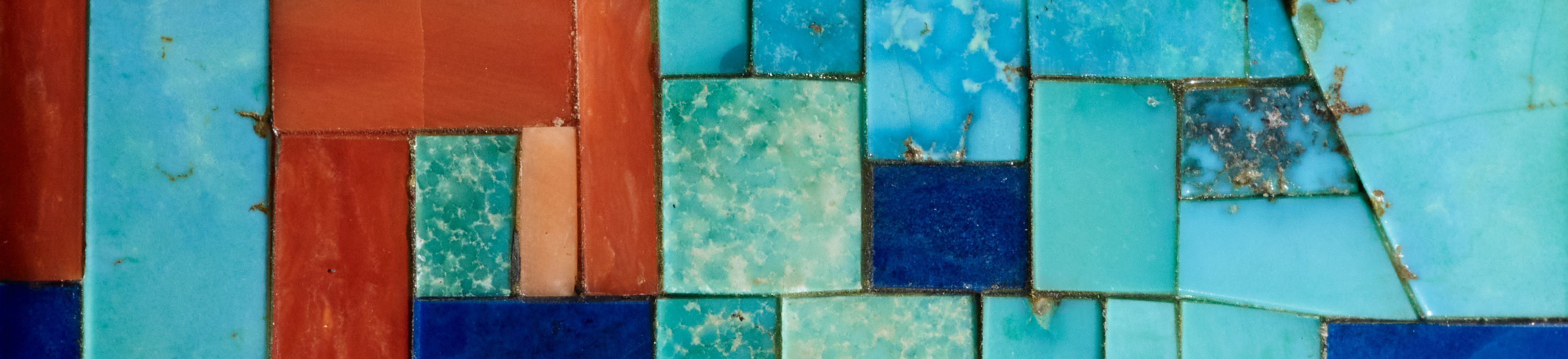
PS- these might not be baskets, but the art form itself gives you an encyclopedia of ingredients, methods, construction, application and use of different colors/color schemes and materials. Those you can take and use it in other art form as form of inspirations.
Tim @trc65 - I put this up for reference and actually all these are “associated parts” in the exhibit narrative. There is a cohesive relationship and connection with the art and crafts in the culture and their heritage “as a whole” that when summed up becomes monumental. This was one of the well curated exhibits (Art in Native America) in the museum- this specific exhibit is very transparent (literal and non literal) with very diverse crafts. You would have to see it in its entirety to make sense of it in a universal whole. I am going to spread the actual exhibit in its rightful thread and link it back here for reference and point of context. They made and crafted beautiful things that weren’t extravagant like most other decorative arts period, but elegant, practical and functional- like “functional works of art”.It's a good thing I'm a woodturner, otherwise, I'm not sure if be able to resist trying my hand at basket weaving!
Somewhere in here should be the joke of the star college athlete upping their GPA by taking the basket weaving class.
Although obvious differences occur in materials used by region, I also find it interesting to see the different methods of weaving, as well as shapes of finished vessels. The coiled baskets (with rounded shapes and bottoms seem to have originated, and are somewhat unique to, southwestern North America while other regions seem to have flat bottoms with both rectangular and rounded sides. Vessels originating from the Southwest also seem to have mostly open tops while most examples from other regions have a lid of some sort. Perhaps no lids were needed in the arid southwest, but other regions needed lids to keep rainfall out? I'm sure it's not that quite that simple, and there were many different uses based on regional diet, but still an interesting point to ponder. I'm sure there have been many anthropological studies that would answer these questions, but pondering these questions for a short while is much more enjoyable than doing a deep dive into published studies.
Regardless, my thanks again to Arn for posting these pictures, it is a great resource to have close at hand.

Arn
PS- these might not be baskets, but the art form itself gives you an encyclopedia of ingredients, methods, construction, application and use of different colors/color schemes and materials. Those you can take and use it in other art form as form of inspirations.